Why Onsite Calibration Matters
Visualize you're running a manufacturing line and suddenly a circulation meter starts giving unpredictable readings. That misreporting could throw off your whole process, causing lost materials or security risks. That's where onsite calibration comes in. As opposed to shipping your vital tools off to a lab and waiting days or weeks, a specialist concerns your center, changes your tools instantly, and gets you back up and running quickly.
Onsite calibration isn't nearly benefit-- it's about preserving the honesty of measurements for pressure, temperature level, dampness, and other crucial variables. When you avoid or postpone calibration, you risk wandering values, noncompliant batches, and unintended downtime. The bright side? A planned onsite check out can nip those risks in the bud.
Usual Instruments for Onsite Calibration
Stress Gauges and Transmitters
Pressure instruments play a starring duty in many industries-- from oil and gas to food handling. A tiny leak or sensor drift can result in safety incidents or product perishing. During onsite calibration, a professional uses a recognized reference to readjust the scale or transmitter till it checks out correctly. The process is frequently nondestructive, suggesting your devices stays intact and all set for activity.
Circulation Meters
Circulation meters determine the quantity or mass of liquid or gas death via a system. Whether it's water treatment or chemical application, accuracy is important. Calibrating a circulation meter onsite conserves you from the logistical migraine of removal, and it shows real-world conditions-- temperature variations, line stress, and fragment content-- all in one go.
Temperature level Sensors
Ovens, activators, or fridges freezer-- temperature control is anywhere. A sensing unit that's also a degree off can impact top quality. Onsite calibration services include ice-bath checks and dry-block calibrators to ensure your thermocouples and RTDs are rock solid.
Moisture Analyzers and Hardness Testers
From grains in a silo to steel solidity in a workshop, dampness and hardness testers often get overlooked till they fail. Onsite calibration keeps them trusted so your item specifications stay tight. Professionals change the gadget versus traceable standards, ensuring each wetness or hardness dimension strikes the mark.
Torque Wrenches and Other Mechanical Tools
Tightening bolts to the appropriate torque can prevent leakages or mechanical failures. Establishing and validating torque wrenches onsite methods you do not have to think or lose time sending devices out for service.
The Onsite Calibration Process
1. Organizing and Preparation
First, you and the service provider settle on a time that lessens impact. They'll inquire about your most important tools-- flow meters, torque wrenches, sensing units-- and prepare the ideal reference standards.
2. Onsite Setup
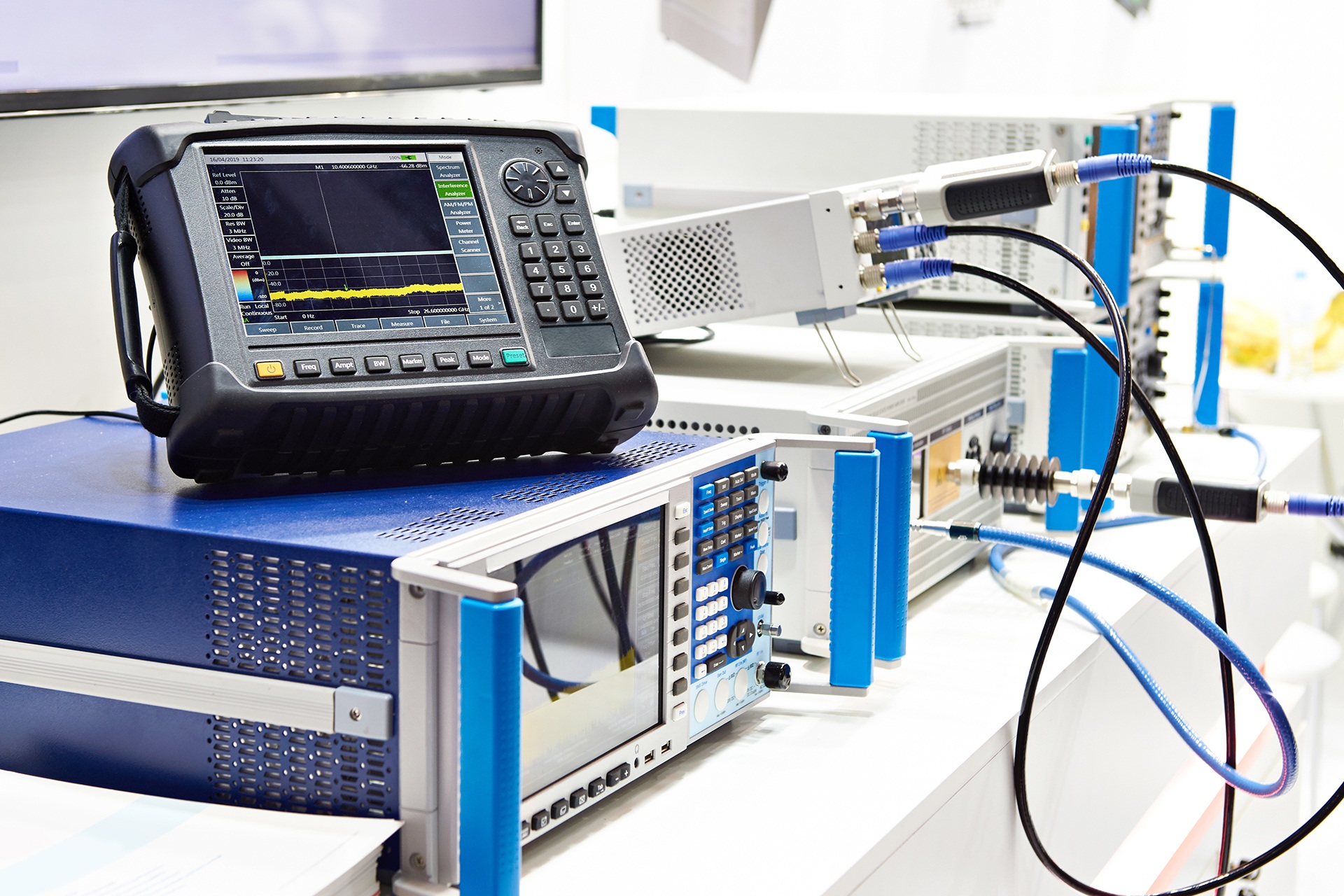
Professionals bring portable calibration benches or handheld calibrators. They might make use of a deadweight tester for stress determines or a loophole calibrator for transmitters. Everything is deducible to nationwide or worldwide requirements.
3. Calibrating Step by Step
Each instrument goes through a list of setpoints. For example, a flow meter might be evaluated at low, tool, and high flow rates. The specialist documents the analyses, readjusts the tool, then rechecks until it's within tolerance. This specific technique ensures uniformity throughout your assembly line.
4. Documents and Certification
Once the work is done, you obtain a calibration certificate listing pre- and post-adjustment readings, unpredictabilities, and traceability information. This record is your evidence of compliance for audits or top quality monitoring systems.
Advantages of Onsite Calibration
- Lessened downtime by staying clear of delivery delays Real-world conditions make sure precise readings under regular operating temperatures and pressures Maintains compliance with regulative bodies and top quality standards Minimizes threat of item rejects or safety and security occurrences Extends life expectancy of tools by finding drift early
Getting Rid Of Calibration Challenges
Despite onsite services, you may face difficulties like crowded industrial spaces or restricted access to certain machinery. Interaction is vital: walk the specialist with your production format and any type of safety and security needs. In many cases, instrument calibration might require partial closures, so planning around production schedules is vital.
A Real-World Calibration Story
Last summertime, a craft brewery found its circulation meter was under-reporting by 5%. Over a weekend break, they booked an onsite calibration browse through. The professional showed up with a portable prover, altered the meter under regular line pressure, and confirmed the outcome versus the brewery's batching software. By Monday morning, developing resumed without missing out on a beat, saving them thousands in lost hops and malt.
Trick Takeaways
Onsite calibration provides a streamlined way to maintain crucial tools-- stress gauges, flow meters, temperature level sensors, dampness analyzers, hardness testers, and torque wrenches-- specifically tuned. By selecting this solution, you reduced downtime, keep top quality, and ensure safety without the hassle of delivery tools offsite.
Further Resources
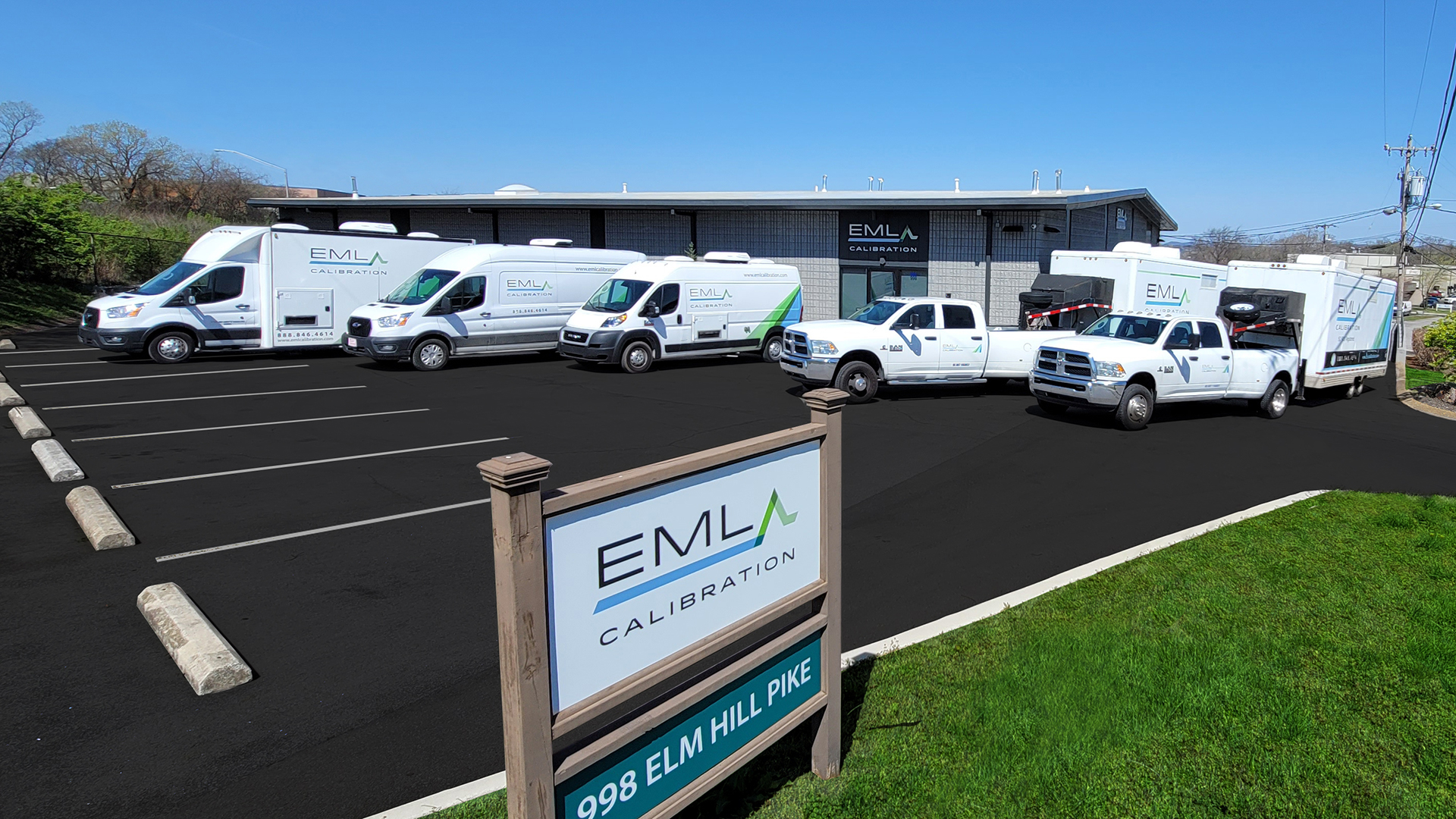
For more information concerning organizing onsite calibration at your facility, connect to EML Calibration as a trusted source for experienced solution and quick turn-around.
Name: EML Calibration
Address: 998 Elm Hill Pike, Nashville, TN 37210, United States
Phone: (888) 846-4614
Website: https://www.emlcalibration.com/